Consumer-driven product development
Marika Viitala
Product Group Manager, Atria Finland
I work as a Product Group Manager (Convenience Foods) at Atria Finland, and I’m responsible for developing new meals and continuously improving existing products in collaboration with the product development team.
Recently, Finnish consumers have shown a growing need for meals for one that make everyday life easier, and at the same time there is a heightened awareness of domestic production, the origin of ingredients and environmental impacts.
The starting point for the development of our new potato-based convenience food product was to meet these expectations.
The product development process was carried out in close cooperation with the product development, packaging and packaging technology teams, and the expertise of experts from various fields was utilised. The process included improving the traceability of raw materials, designing new packaging, and conducting consumer surveys to ensure the functionality and appeal of the product and packaging. In particular, the traceability of potatoes back to the municipality where they are grown is a key focus of our efforts, and this information is printed on the packaging in collaboration with our supplier. Local sourcing is a core value for us: the main ingredients are Finnish, and the origin labels make this clear to consumers. In turn, the design of the new packaging aimed to reduce the use of plastics and improve recyclability.
The packaging is made of cardboard, is recyclable, and contains only 4 grams of plastic, whereas similar products on the market typically contain about 20 grams. It can withstand oven, microwave and airfryer temperatures, protects the product during processing, and is easy for the consumer to use. Logistics have been optimised so that packages take up as little space as possible, which reduces the environmental impact and improves transport efficiency.
Climate-friendly ingredients: potatoes are the main ingredient and a climate-friendly source of carbohydrates, and meat and dairy products are sourced responsibly from Finnish farms. In the future, the aim is to extend origin labelling to other ingredients and products, as well as to continue developing new innovations with a two-year development cycle.

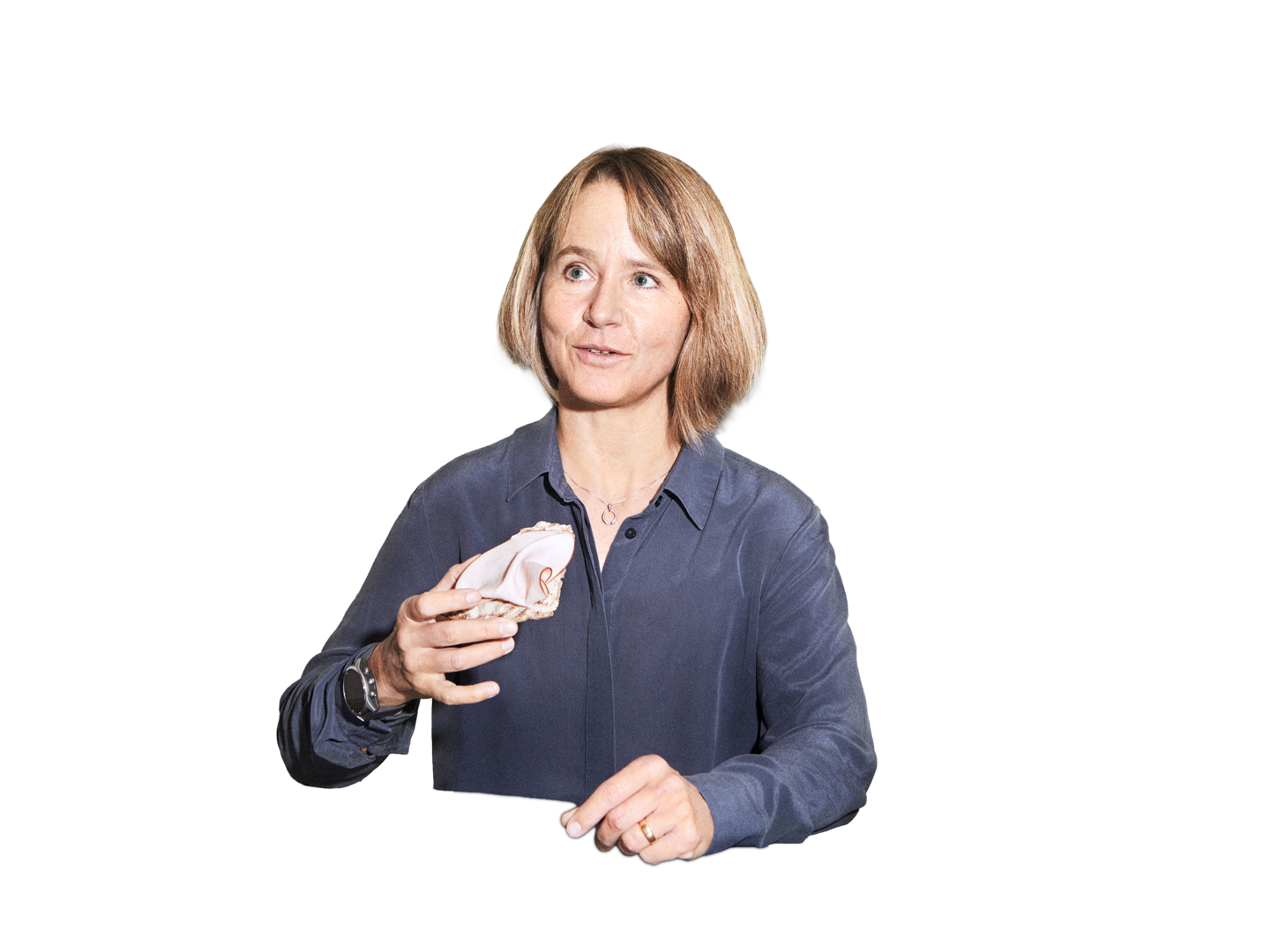
Maria Lundmark
Product development manager, Atria Sweden
I work in product development at Atria Sweden, where I am responsible especially for developing cold cuts and products designed for our Foodservice customers. One of our recent projects has been the creation of a new hybrid product: a solution that combines chicken minced meat and lentils, developed to meet the needs of public kitchens looking for both tasty and climate-friendly options.
In customer workshops, it became clear that fully plant-based products were often perceived as dry, particularly after hot holding. By combining chicken, which brings juiciness, with a lentil base, we were able to create a product with a more familiar texture and a flavour that withstands heating: something that appeals to a wide range of end users, including children. The product can be used as it is or fried into meatballs, sauces, and various other dishes.
This hybrid product's carbon footprint is only 1.8 kg CO₂e/kg*, and it meets the nutritional guidelines given by the Swedish Food Agency which encourages people to eat pulses often. The amount of plastic in the packaging is only about 15 grams per 1.7 kilograms, and its structure maximizes transport efficiency. In addition, the 270-day frozen shelf life and 14-day usability after defrosting help reduce waste and make everyday work easier for professional kitchens. The product is already in use in several public kitchens, and the feedback has been positive The chicken we use is always Swedish and traceable all the way back to Atria’s own farms. For lentils, we are continuously working to find local alternatives so that we can further reduce transport emissions and increase the share of domestically sourced ingredients. I believe that hybrid products are a trend of the future: they offer consumers a familiar way to reduce red meat consumption and increase plant content without compromising taste or texture. We will continue developing solutions that improve the quality, usability, and sustainability of food in the food service sector.
Kirsten Scheuer
Innovation manager, Atria Denmark
I work at Atria Denmark as Innovation and Product Development Manager, responsible for developing new products and continuously improving our existing range. 3-Stjernet holds a strong position in the Danish market, and cold cuts are at the very heart of our brand – and also the area where we can most clearly advance our responsibility agenda.
The idea behind this product was to create a chicken-based cold cuts concept with improved animal welfare. We knew that consumers and retailers were increasingly looking for better animal welfare also in processed products, not only in fresh meat. Therefore, we decided to replace conventional chicken with 1-Heart chicken as our raw material.
In Denmark, all major retailers have already converted their fresh chicken assortment to 1-Heart chicken. By making the same shift in cold cuts, 3-Stjernet became the only branded cold cuts range in Danish retail using 1-Heart chicken, giving us a strategic competitive advantage.
In this initiative, we started by converting our existing chicken cold cuts to 1-Heart chicken and continued by developing new products. Our range includes mild, versatile options suitable for everyone – perfect for children’s lunchboxes – as well as bolder flavours, such as chili-infused varieties.
In Denmark, 1-Heart chicken comes from slower-growing breeds with more space, better housing conditions, healthier feet and shorter transport times of no more than six hours. This method of broiler rearing exceeds the minimum requirements of Danish legislation.
Healthier, less stressed animals mean fewer diseases and a reduced need for antibiotics. While slower growth requires more time and feed, we consciously prioritise animal welfare, as it reflects values that are increasingly important to consumers. At the same time, we introduced a new packaging line, reducing plastic use, production waste and food waste.
For me, innovation is about staying relevant – evolving traditional products to meet today’s expectations and offering responsible choices that remain accessible to everyday consumers.
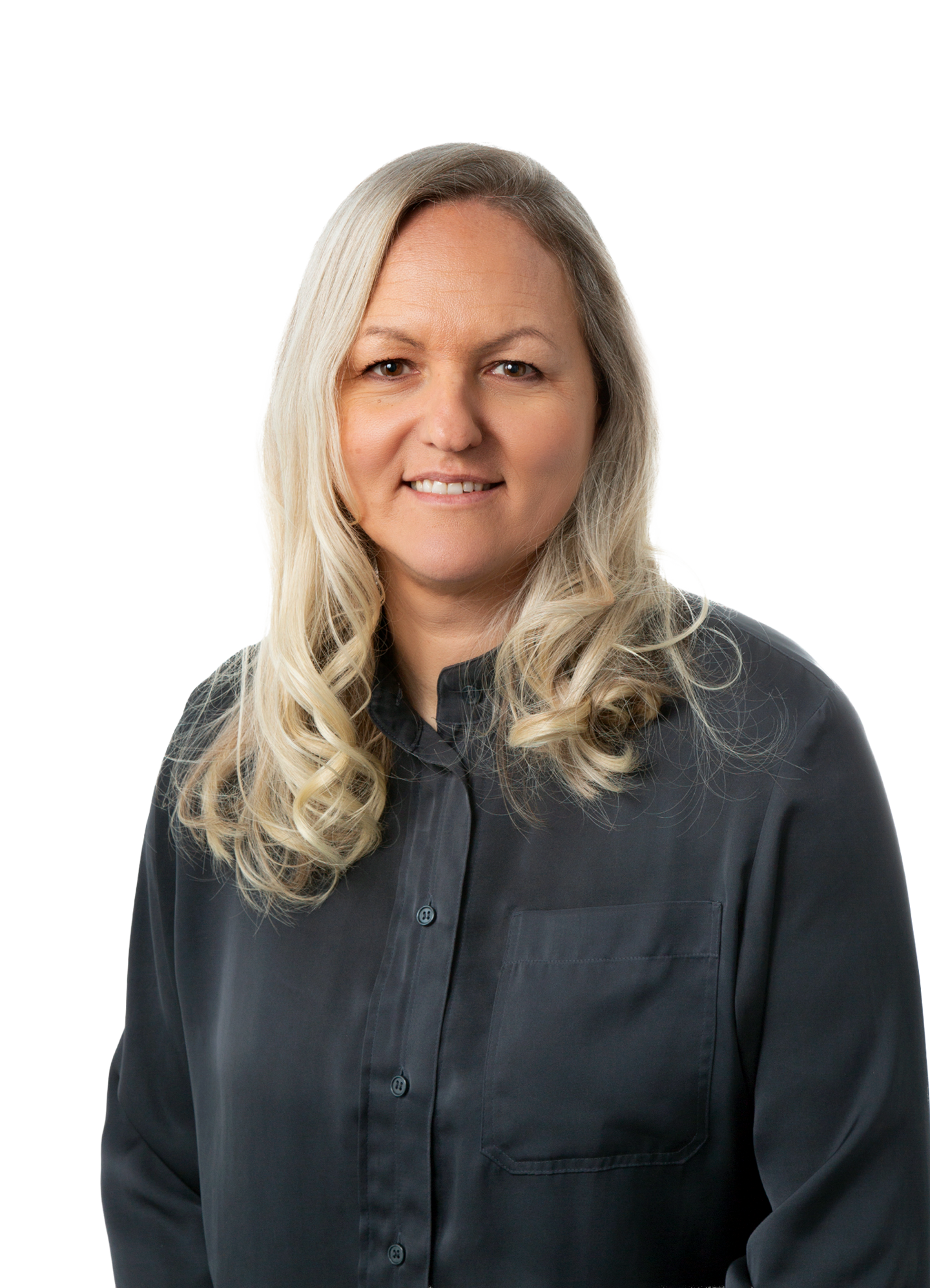

Ander Marksa
Sales director, Atria Estonia
I work as the Sales Director for Atria in Estonia. Atria has operated in Estonia for a long time, and consumers have found their favourite products in the selection. Fresh sausage has long been the best-selling product in Estonia, and it has been developed in the country for over 20 years.
An important sustainability goal for the product was achieved in 2023 and 2024 through packaging changes. Previously, fresh sausages were packed in a plastic tray sealed with film, surrounded by a cardboard sleeve. In winter 2023, the cardboard sleeve was removed from the packaging and replaced with pre-printed film. Customer feedback on the new packaging was positive, and sales volumes increased by 35.3 percent compared to the previous year. The same packaging solution began to be used for all Mark & Moorits fresh sausages, and one packaging material was eliminated from the products entirely.
As a result of the change, the total amount of packaging material decreased by 36 percent, and the environmental impact of the packaging was reduced without shortening the product’s shelf life. The change also reduced dependence on manual labour, as the cardboard sleeve no longer needs to be placed on the packaging separately. This has lowered packaging costs, and the savings have been invested in a new labelling system.
The successful change demonstrated that consumers want to support steps toward more sustainable solutions. This has given the company confidence to continue taking further steps in sustainability. In the future, we aim to move toward packaging materials that can be recycled and reused. In addition, we have planned to add QR codes to the packaging. QR codes would make it possible to share much more information with consumers than is typically found on a label—for example, details about packaging changes, actions to reduce environmental footprint, as well as instructions for preparing and cooking the product.
Published on 25 May 2026