More sustainable industrial processes
Efficiency in industrial operations is the result of everyday choices, continuous improvement and the courage to innovate. Experts from Atria’s various business areas explain how efficiency is built through everyday actions such as process development, resource optimisation and the adoption of new solutions.
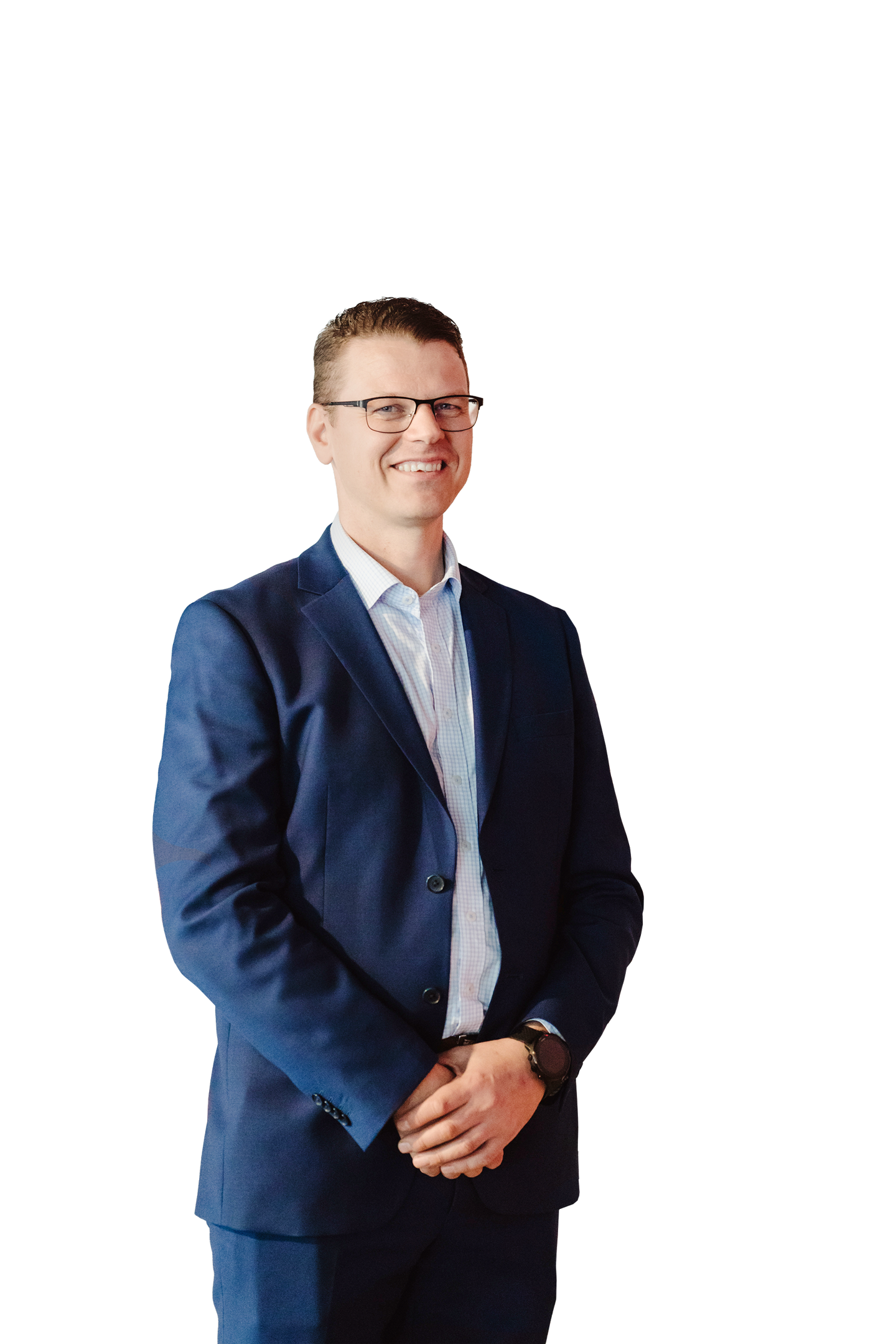
Reijo Äijö
Group Vice President Technology, Atria Finland
I work as the Group Vice President, Technology at Atria Finland, responsible for major investments, large-scale development projects and convenience food production.
My responsibilities include energy sourcing and use, maintenance, building management and overall production leadership. I also oversee the safety of our extensive production operations, ensuring both fire safety and chemical safety across all processes.
Energy management and emission reduction are key priorities for us. We are investing in improved energy efficiency, including the introduction of electric heat production. Solar power covers part of our electricity consumption, and we also have wind power initiatives under evaluation. In addition, water consumption is closely monitored, and department-level metering enables optimisation of usage, particularly in our largest facilities such as Nurmo.
At the Nurmo production plant, we are currently carrying out an EUR 82.4 million investment to modernise our ready-meal production and related energy solutions. The project includes renovating existing production facilities and replacing production processes and technical systems with more energy-efficient alternatives. The energy solutions within this investment programme will generate over EUR 5 million in annual savings.
The continuous improvement model is a central part of my daily work. Strategic objectives are broken down into annual actions, which are actively monitored and followed up. Examples include the development of fire safety, the energy-efficiency initiatives mentioned above, and investments that support lifecycle management of our production facilities.
My goal is for every improvement to enhance efficiency, reduce emissions and support a safe and sustainable working environment.
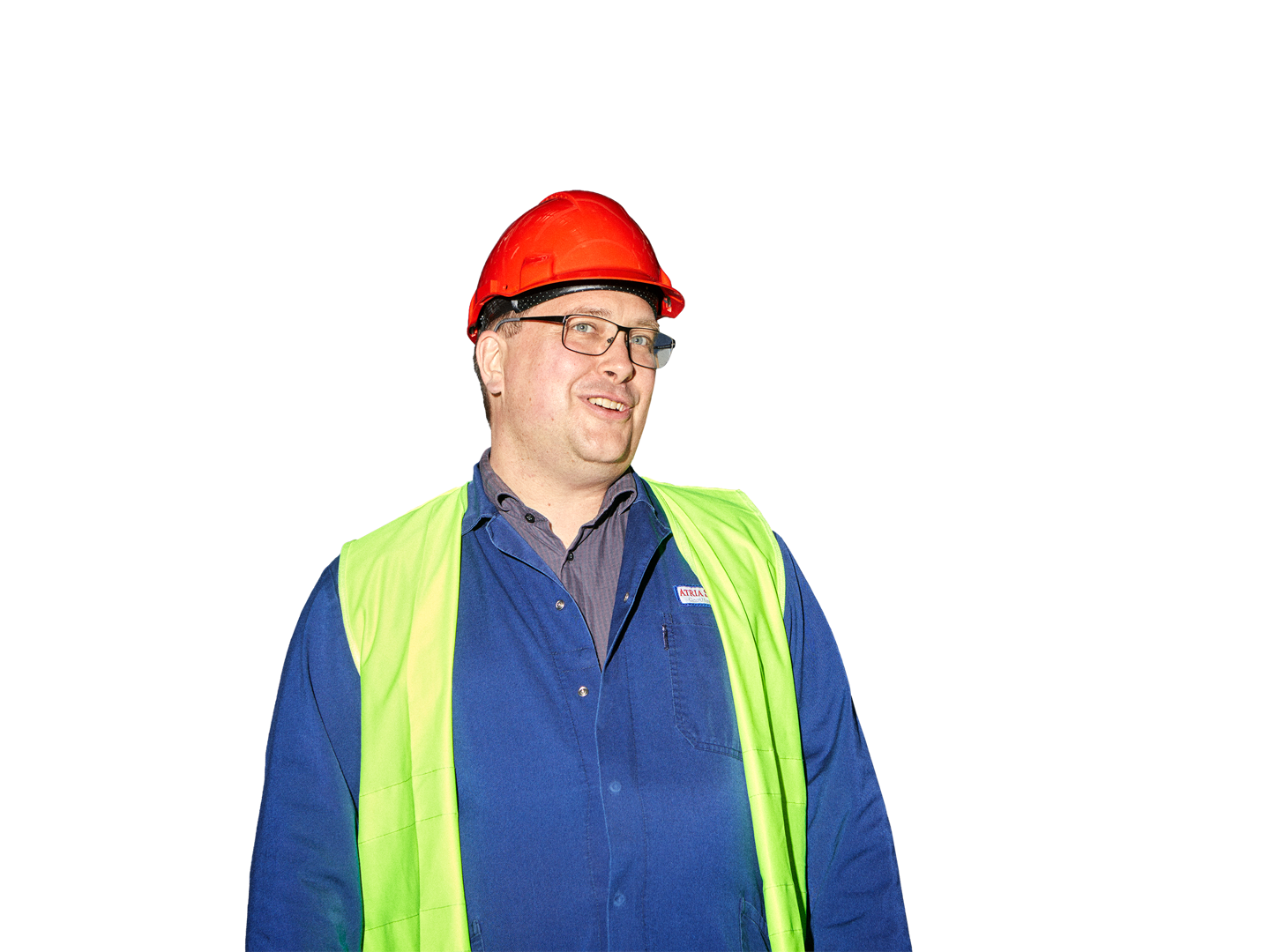
Jonas Sillén
Energy/Utility Engineer, Atria Sweden
I work at Atria Sweden as an Energy/Utility Engineer, and I am responsible for budgeting energy consumption and costs for all production units, as well as for monthly and yearly follow-up of energy figures. I maintain our ISO 50001-certified energy management system and lead energy efficiency and investment projects.
Together with the environmental manager, we support the local operation teams, and each unit is required to implement at least three energy improvement activities annually as part of our continuous improvement approach. The achievements are concrete. At the Sölvesborg plant, heat exchangers have reduced the need for burning wood-based fuels by enabling effective heat recovery. At the Sköllersta logistics centre, energy recovery systems have helped control energy consumption even as the facility has expanded. At one of the smaller sites, upgrading the ventilation systems with more efficient fans and improved controls has reduced electricity consumption by up to 20 percent. More than 90 percent of our energy is fossil-free, as we use certified renewable electricity and wood-based fuels. The boiler plant commissioned in 2024 enables flexible use of electricity based on electricity prices by automatically switching between an electric boiler and a wood-pellet boiler, reducing the need for fossil fuels.
Water consumption is monitored and managed using the same principles. Consumption has been reduced by shutting down water-consuming equipment and replacing some water-powered systems with hydraulic solutions. A key challenge is that water-saving investments often have long payback periods, which can limit implementation under the current investment policy.
Our future targets include increasing electrical transportation in the logistics centres, replacing the remaining fossil oil with wood-based fuels and further developing flexible electricity use. Continuous improvement, enhanced efficiency in energy and water use and reducing emissions will remain central objectives, supported by concrete and measurable actions.
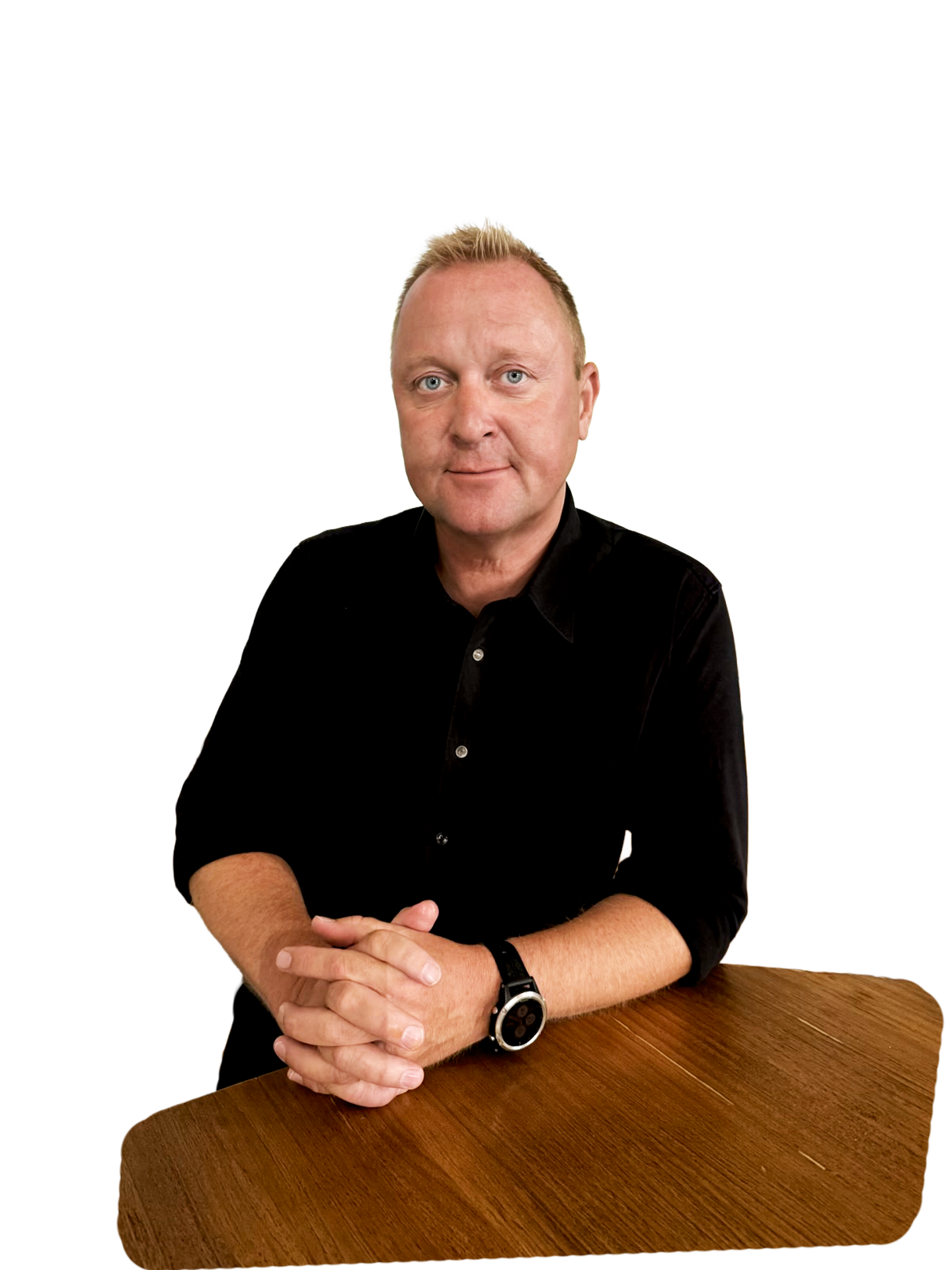
Peter Mortensen
Head of Operation, Atria Denmark
I recently joined Atria Denmark as Head of Operation. With more than 35 years of experience in the food industry, I see a great deal of both revealed and unrevealed potential in our factories. At the moment, I am focusing especially on strengthening our leadership, improving structures, and increasing our sales to enhance competitiveness. My goal is to build a stable and efficient production organisation that can support both our sustainability targets and future business growth.
Sustainability is a central part of my work. We are committed to reducing overall waste, driving continuous improvement, and developing projects that support all three of our key focus areas: Planet, People and Product. We have introduced new information-sharing structures on the shop floor and implemented new KPI metrics that also influence employees’ salary. One of our key projects for next year is investing in an automatic peeler, which will significantly reduce waste, improve the work environment, and strengthen product flow.
Energy and water efficiency are important development areas for us. Renewable energy such as solar power is not yet a major priority, but major investments in new production lines have improved our energy efficiency. The greatest potential lies in increasing process efficiency, producing more volume in less time, replacing gas boilers with heat pumps, and reducing waste to improve yield.
Looking ahead, we aim to advance sustainability projects that help reduce energy and water consumption as well as waste. Our ambition is to build a stable production organisation that allows us to focus on reducing CO₂ emissions, electrifying operations, and supporting sustainability through innovative solutions in the coming years.
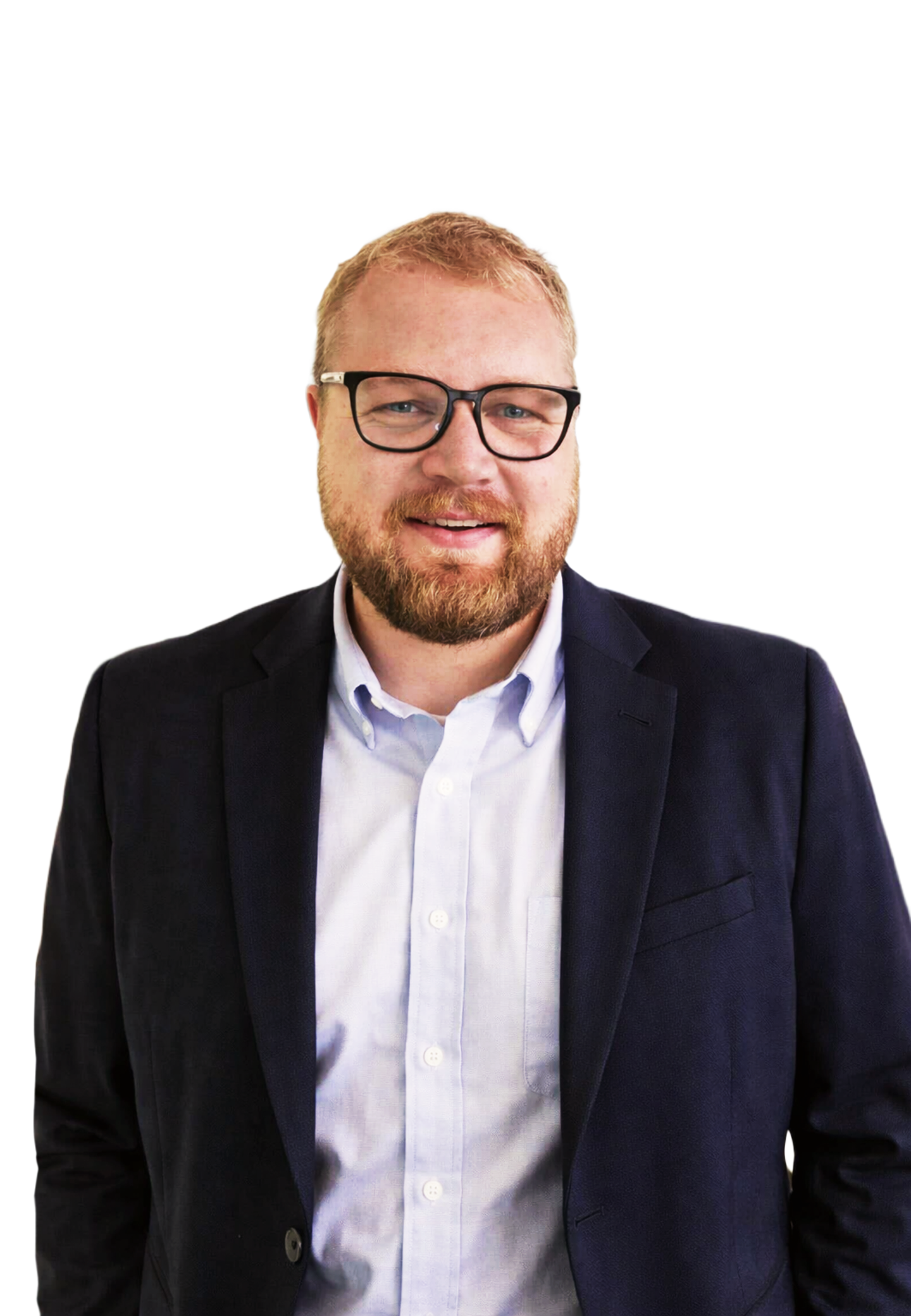
Kristjan Tiideberg
Technical Director, Atria Estonia
I work as the Technical Director at Atria’s site in Estonia, where I am responsible for overseeing factory and farm operations, maintenance, technical development, and building management. My goal is to ensure that production runs smoothly, efficiently, and with high quality, while maintaining compliance with safety and sustainability standards. A key part of my work is also promoting innovation and supporting a strong culture of continuous improvement in daily operations.
We closely monitor energy and water consumption and implement actions to reduce usage. The factory uses nearly 100% chipped wood as a renewable source for heat generation, and our solar panels cover part of our electricity consumption during the summer. We are also evaluating potential investments in energy storage and exploring opportunities for future wind power collaboration to stabilise energy costs and improve self-sufficiency.
Continuous improvement is visible in daily operations through data-driven decision-making, process standardisation, and strong team involvement. Recent projects include the automation of LED lighting, heat recovery systems, and the return of condensate from ovens back to the heating station. We are also developing a cost-effective thawing heat exchanger system using steam and exploring innovative solutions such as waste heat recovery, which could reduce total energy consumption by up to 25 percent.
Water efficiency and wastewater management are also key priorities. We use our own deep well water and high-pressure washing systems to minimise consumption, and all wastewater is pre-treated before being sent to the city’s treatment facility. Looking ahead, our goals include further improving energy efficiency, increasing automation, reducing packaging materials, and utilising by-products more effectively as part of a circular economy approach. I aim to ensure that sustainable solutions support both the environment and long-term business competitiveness.
Published on 28 May 2026